
"Ethiopian processing"
4000 article(s) found
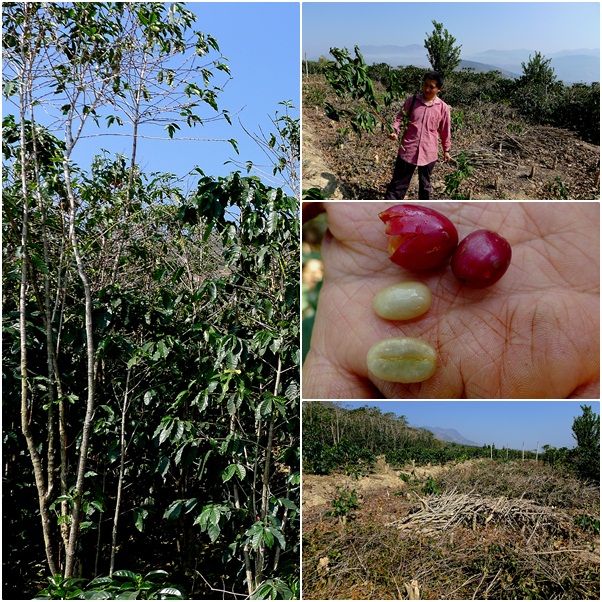
Ethiopian Konga Ethiopian Solar method High-shelf Solar method Sida, Ethiopia
About the Ethiopian sun exposure (high-shelf sun exposure): in the past, the Ethiopian sun exposure was to spread wild coffee fruits directly on the mud ground for exposure. This method has two disadvantages: 1. After picking, the beans have not been specially screened and treated, the uneven appearance and maturity are mixed together, and the process is relatively rough, so the quality of coffee beans is unstable.

Ethiopian coffee origin Ethiopian coffee processing
Various forms of coffee cultivation can be found in Ethiopia: everything from wild coffee forests and semi-developed land to traditionally operated plots to modern plantations. About 50% of the coffee is grown more than 1500 meters above sea level. Harrar coffee is the highest growing area of all coffee in Ethiopia. Hara coffee can be divided into long coffee.

Ethiopian coffee flavor Ethiopian coffee variety Ethiopian coffee brand
Due to different processing methods, coffee can be divided into washed coffee (Washed coffee) and sun-cured coffee (Sun-dried coffee). Washed coffee accounts for 35% of exports. Good quality washed coffee is processed with freshly picked fully ripe fruit, picked carefully and closely monitored by professionals. The clean coffee beans picked up will be pulped on the day of picking.
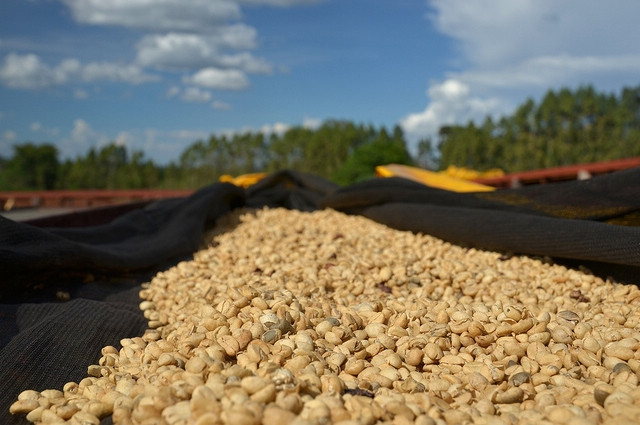
Famous Ethiopian coffee, famous African beans, Ethiopian Sidamo sun-treated lions.
Compared with other coffee-producing countries, the coffee grown in Ethiopia attracts more attention than other coffee-producing countries, including Gemma Jimbi, Harald, Limuyegechefi and other varieties. In addition, Ethiopia is the home of the world's earliest coffee, the ancient Abyssinia coffee. So, the current situation of coffee cultivation in Ethiopia is

Introduction to Ethiopian Coffee Grade
Grade of Ethiopian coffee: Ethiopian washed coffee Yega Chuefei G1 G2 Sidamo (Yirgacheffe, Sidamo) has the highest grades 2 and 3 (G2, G3), while sun-processed coffee in eastern Ethiopia is mostly grade 4 or 5 (G4, G5). In many cases, level 4 coffee is marked as level 5 in order to reduce taxes. At present, the classification is not uniform and there are

Ethiopian coffee flavor Ethiopian coffee characteristics Ethiopian coffee taste
Ethiopia has unique natural conditions suitable for growing all imaginable varieties of coffee. As a upland crop, Ethiopian coffee beans are mainly grown in areas between 1100 and 2300 meters above sea level, roughly distributed in southern Ethiopia. Deep soil, well drained soil, weakly acidic soil, laterite and soil are soft and contain

Taste characteristics of Ethiopian Coffee Manor Flavor description and introduction of varieties producing areas
Ethiopian coffee beans grow in close to the natural environment, after years of planting under the same growth conditions, Ethiopian coffee beans have gradually adapted to the environment here. More than 60% of coffee beans are grown in forests or semi-forests. Large-scale coffee-growing villages account for about 35% of the country's total coffee production. Many of these are used.

Ethiopian Yeshifi Kocher Coffee Bean Processing Taste Flavor Description Grindness
The processing method of Ethiopian Yega Shefi Kocher coffee beans Taste Description Grind Degree In February 1977, Lieutenant Colonel Mengistu Haile Mariam launched a military coup and became Chairman of the Provisional Military Administrative Council and Head of State. In 1979, the Organization Committee of the Ethiopian Working People's Party, dominated by military personnel, was established to implement a one-party system. 19

Processing methods and methods of Ethiopian Coffee Mokasidamo Coffee
The coffee flavor treated by mocha Sidamo Sidamo coffee is not easy to have wild flavor, and has the characteristics of purity and freshness, which is suitable for the baking degree from City to Full City. In some Ethiopian water-washed coffee beans with excellent nature, obvious rising lemon, citrus essential oils, jasmine, honey and so on can be detected.

Flavor characteristics of Ethiopian Fine Coffee Ethiopian Coffee
Ethiopia is the hometown of Arabica coffee, and it is in the forests of Kaffa that you can see wild Arabica coffee. In Ethiopian, coffee is called Bun or Buna, and coffee beans (coffeebean) may be translated from Kaffa Bun. Arabica coffee was discovered early in the Harald area, probably from Kafa.

Taste Unique Ethiopian Yega Shefi Cochir Estate Coffee Flavor Description Taste Variety Introduction
In Ethiopia, people take pride in coffee and see it as a gift to the world. To this day, many Ethiopian families still maintain the ritual of daily coffee celebrations, with the hostess of each family inviting family and neighbors for coffee more than once a day. In their view, this is a way to show friendship and respect. Ethiopia is a magical land, filled with

Introduction to the characteristics of coffee flavor and taste of Ethiopian coffee manor with long, pointed beans
The highest grades of Ethiopian washed coffee Yega Chuefei G1 G2 Sidamo (Yirgacheffe, Sidamo) are Grade 2 and Grade 3 (G2, G3), while most of the sun-processed coffee in eastern Ethiopia are Grade 4 or Grade 5 (G4, G5). In many cases, level 4 coffee is marked as level 5 in order to reduce taxes. At present, the grading is not uniform and messy, because there is also sun processing.

Ethiopian boutique coffee introduces boutique coffee beans characteristics of Ethiopian boutique coffee
Ethiopia is the hometown of Arabica coffee, and it is in the forests of Kaffa that you can see wild Arabica coffee. In Ethiopian, coffee is called Bun or Buna, and coffee beans (coffeebean) may be translated from Kaffa Bun. Arabica coffee was discovered early in the Harald area, probably from Kafa.

Introduction of Ethiopian coffee, characteristics of Ethiopian coffee beans
Following caf é (Wechat official account vdailycom) found that Beautiful Caf é opened a small shop of its own Ethiopia is the hometown of Arabica coffee, it is in the forests of the Kaffa region that you can see wild Arabica coffee. In Ethiopian, coffee is called Bun or Buna, and coffee beans (coffeebean) may be turned from Kaffa Bun

Ethiopian Coffee Export Ethiopia Coffee grading system
For more information on coffee beans, please follow Coffee Workshop (official Wechat account cafe_style) [Export of Ethiopian Coffee] according to Ethiopian decree, there are three coffee export systems: (1) the largest privately owned processing plant system for export through ECX bidding, (2) cooperative system, and (3) single farm system. In these three systems, cooperatives

What is Ethiopian coffee? What is the treatment of Ethiopian coffee?
Ethiopia is a professional coffee knowledge exchange more information about coffee beans Please follow the coffee workshop (Wechat official account cafe_style) Arabica Coffee is the hometown of Arabica Coffee, it is in the forests of the Kaffa region, you can see wild Arabica coffee. In Ethiopian, coffee is called Bun or Buna, and coffee beans (coffeebean) may come from

Ethiopian coffee introduces the characteristics of Ethiopian coffee Ethiopian coffee taste
Ethiopia is one of the major producers of Arabica coffee in Africa, producing the best Arabian coffee in the world. It is said that coffee was first discovered by shepherds in Essekafa, and the name of coffee evolved from Kafa, so Essex is still the hometown of coffee. The geographical environment of coffee production and processing is very suitable for coffee growth. Coffee is mainly cultivated.

Is Ethiopian Coffee Bean Yega Xuefei? mystery of the Origin of Ethiopian Coffee beans
Professional coffee knowledge exchange more coffee bean information please follow the coffee workshop (Wechat official account cafe_style) the origin of Ethiopian coffee beans: Ethiopia, is the birthplace of coffee: Arabica coffee, growing in the forests of the Kafa region. We believe that Ethiopian coffee has better quality in the world and excellent genetic diversity of coffee shrubs.

Ethiopian coffee bean flavor description of the type of taste grinding scale processing method introduction
Ethiopian coffee beans are mostly produced in the plateau above 2000 meters above sea level, the major producing areas are Djimmah (Djimmah), Gimbi (Gimbi), Yirgacheffe (Yirgacheffe), Sidamo (Sidamo), Harar (Harar). Because of the soil conditions, climatic conditions and the sea above 2000 meters in these areas

What kind of coffee is unique to Ethiopia? what are the better brands of Ethiopian coffee?
Professional Coffee knowledge Exchange more information on coffee beans Please follow the coffee workshop (Wechat official account cafe_style) Ethiopia has been providing some of the best evaluated single quality coffee beans in the world. Generally speaking, Ethiopian coffee is famous for its fruit wine and obvious acidity. The average altitude of planting environment in Ethiopia is 1500-2200m, and the harvest time is November-2.